Production of Quality-Controlled Recycled Construction Materials
Recycled materials
At 218.8 million tons, mineral waste accounts for the largest waste stream by mass in the Federal Republic of Germany (Source: Bundesvereinigung Recycling-Baustoffe e. V.). These material volumes consist of soil and stones, construction debris, road rubble, and other mineral construction site waste.
Max Wild offers comprehensive recycling expertise and state-of-the-art processing technologies to treat these materials and supply them as quality-controlled secondary raw materials. The resulting mineral construction waste is thus transformed into reusable recycled building materials for clearly defined applications.
The use of recycled building materials allows mineral construction waste to be reused, thereby reducing the demand for primary raw materials and the volume of landfill waste. Depending on the project design, recycled building materials can also help optimize construction costs.*
*The specific impact on raw material demand, landfill volume, emissions, and costs depends on the scope of the project and the chosen construction method.
Your benefits as a building owner when using recycled building materials:
- You receive high-quality, structurally sound building materials that have proven themselves as alternatives to natural building materials.
- By using recycled building materials, you utilize processed mineral construction waste and, depending on the project, reduce the use of primary raw materials and landfill volume.
- You receive products that are quality-controlled and tested for their intended use—including environmental analyses in accordance with relevant technical regulations and certifications.
Ansprechpartner

Elias Haitz
Master of Engineering
Geschäftsfeldleiter Umwelt

Krishan Katzer
B.Eng.
Laborleiter Geotechnik

wet mechanical processing plant
Circular building materials produced through wet mechanical processing
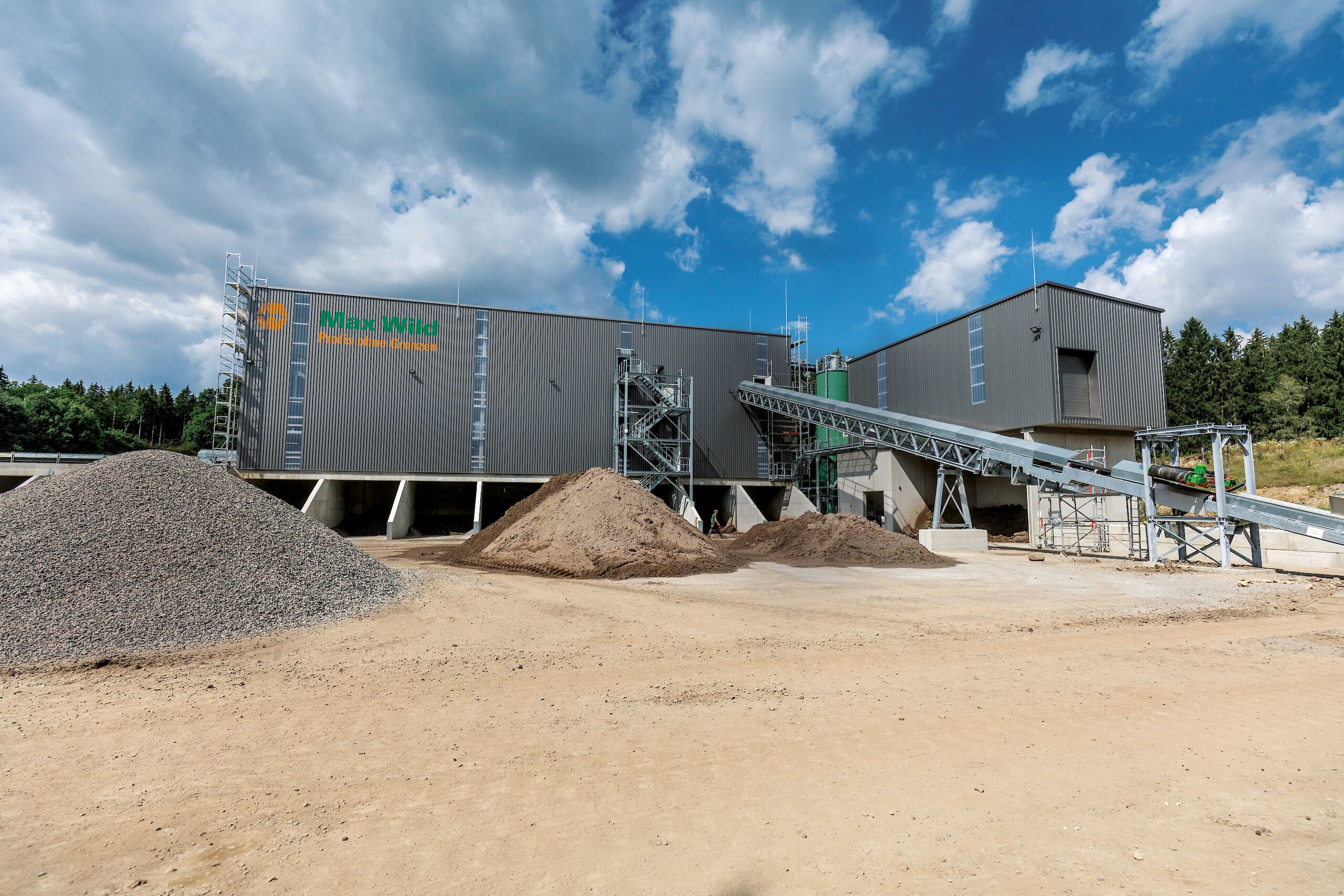
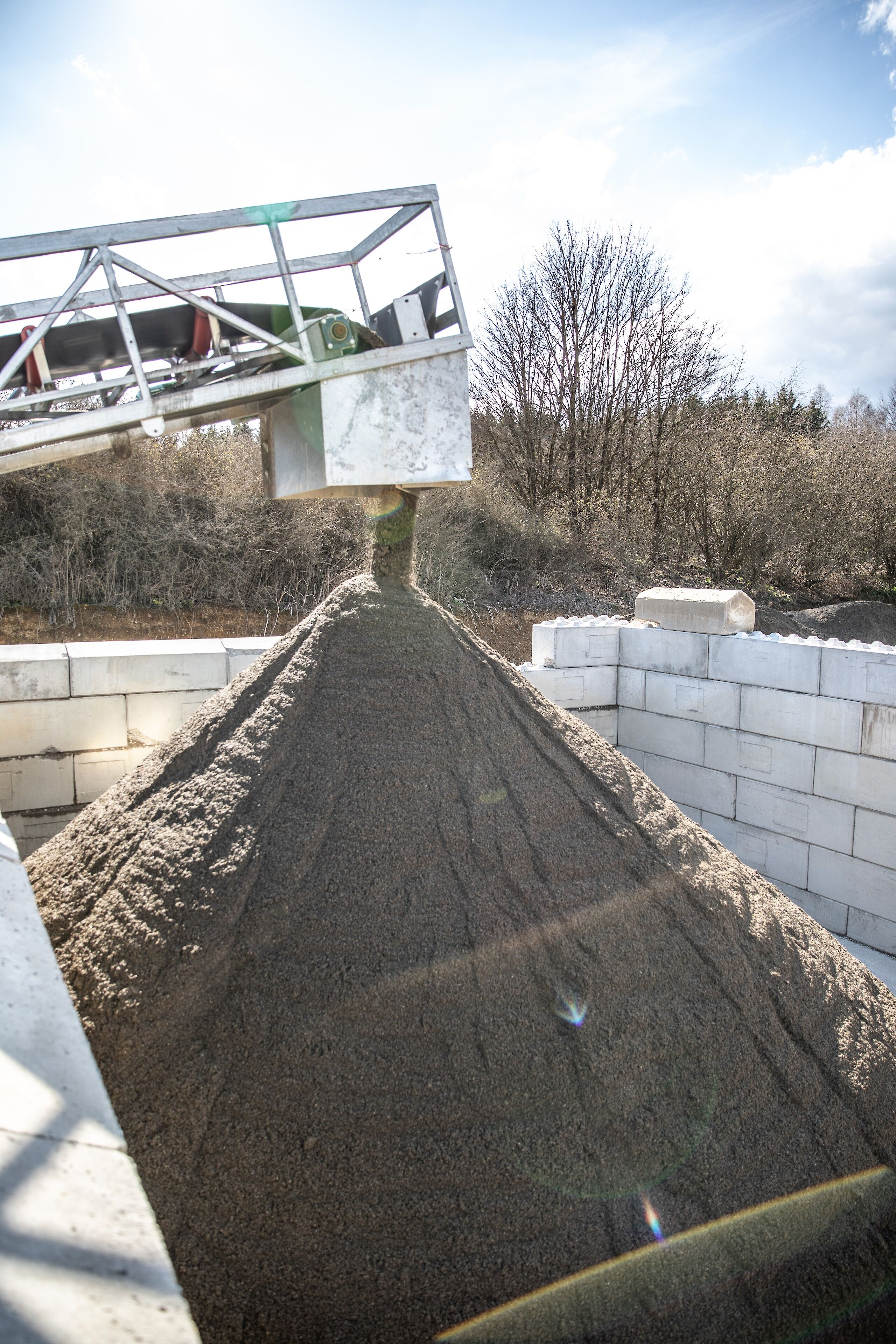
Our wet mechanical processing plant at the Eichenberg site classifies the feed material into various, quality-controlled aggregate sizes as well as filter cake material (a sink for pollutants). The recovered sand and gravel fractions can be returned to the construction industry as secondary raw materials.
Examples of applications:
- Aggregate for concrete
- Railway ballast
- Aggregates for asphalt and surface treatments for roads, airports, and other traffic areas
- Construction material mixtures and soils for the production of unbound layers in road construction
An Overview of Wet-Processed Material
"R" for recycling and "W" for washed—tried-and-true materials meet modern processing
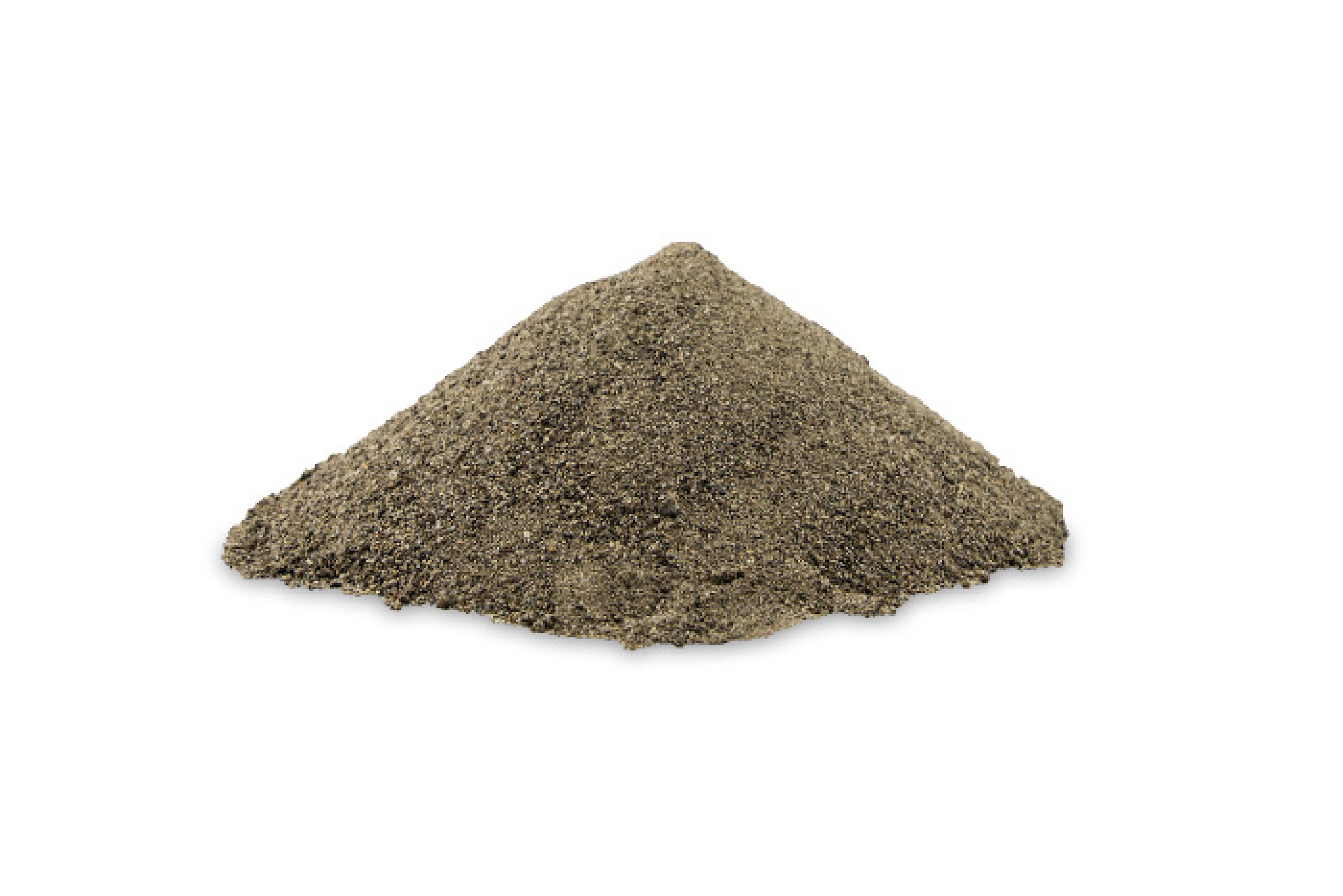
RW Sand 0/1 (Self-monitored)
Cable Sand | Ballast Sand (Utility Line Construction)
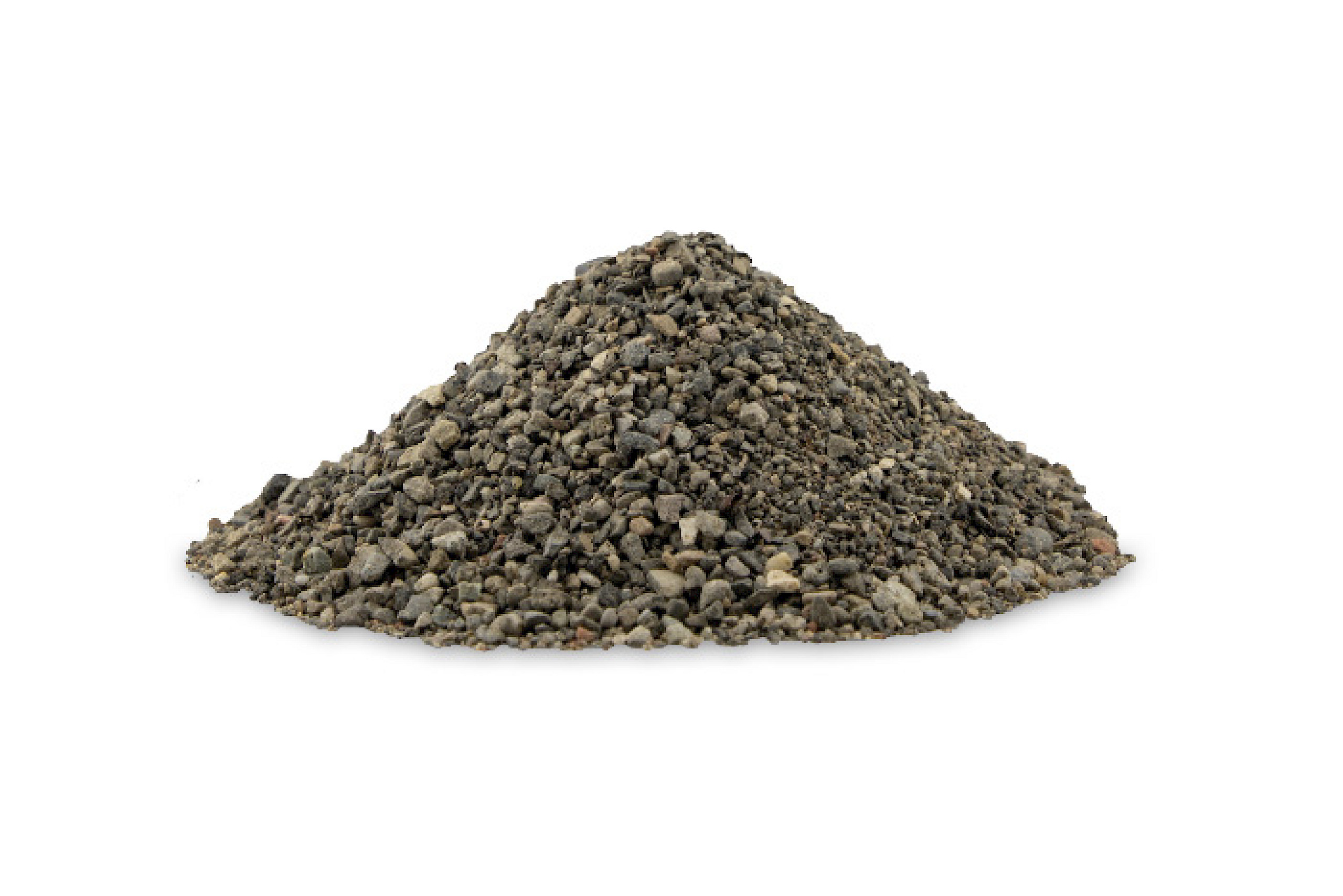
RW-Sand 1/4 (Self-monitored)
Paving sand (base/joint)
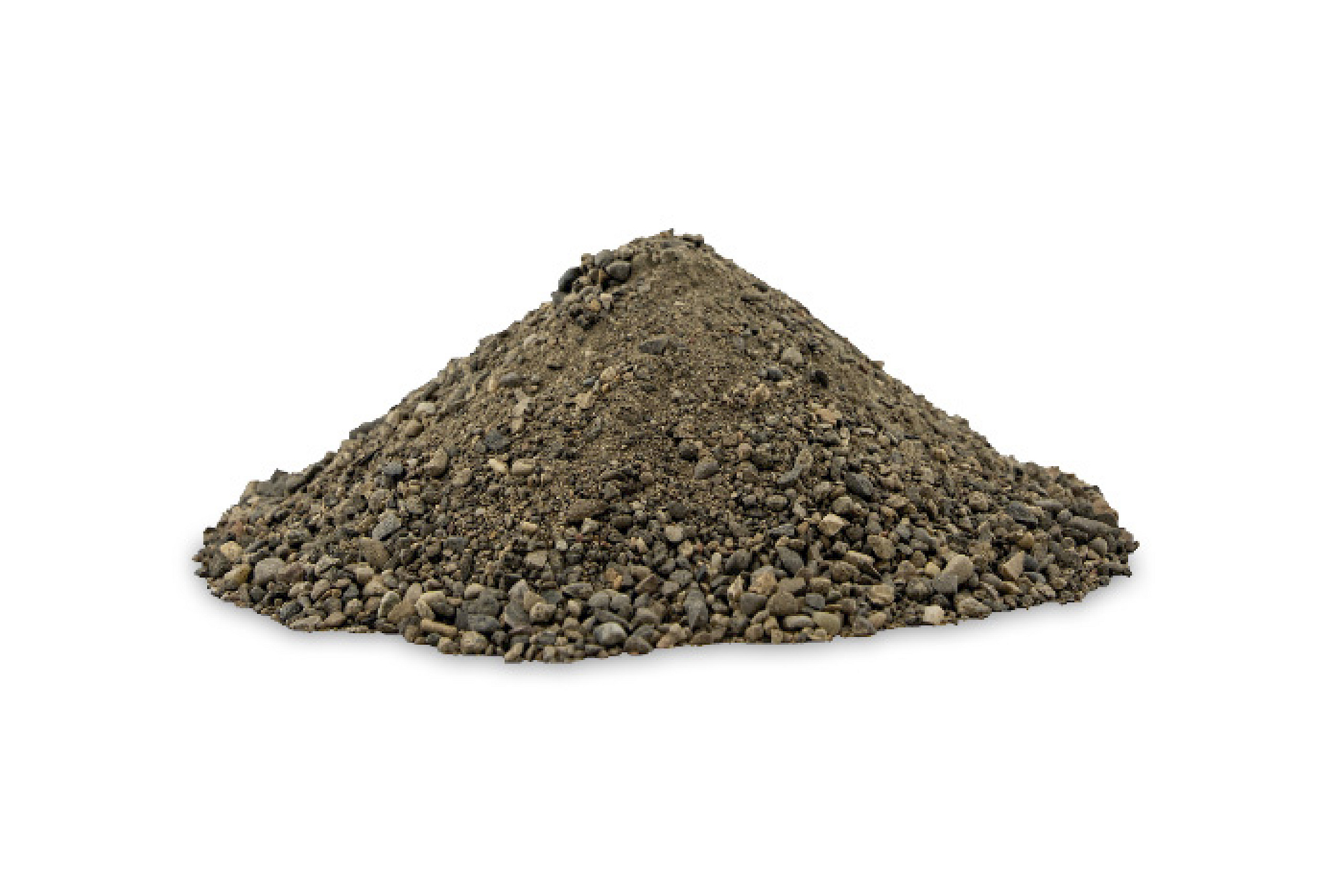
RW Sand 0/4 (Self-monitored)
Cable Sand | Ballast Sand (Utility Line Construction)
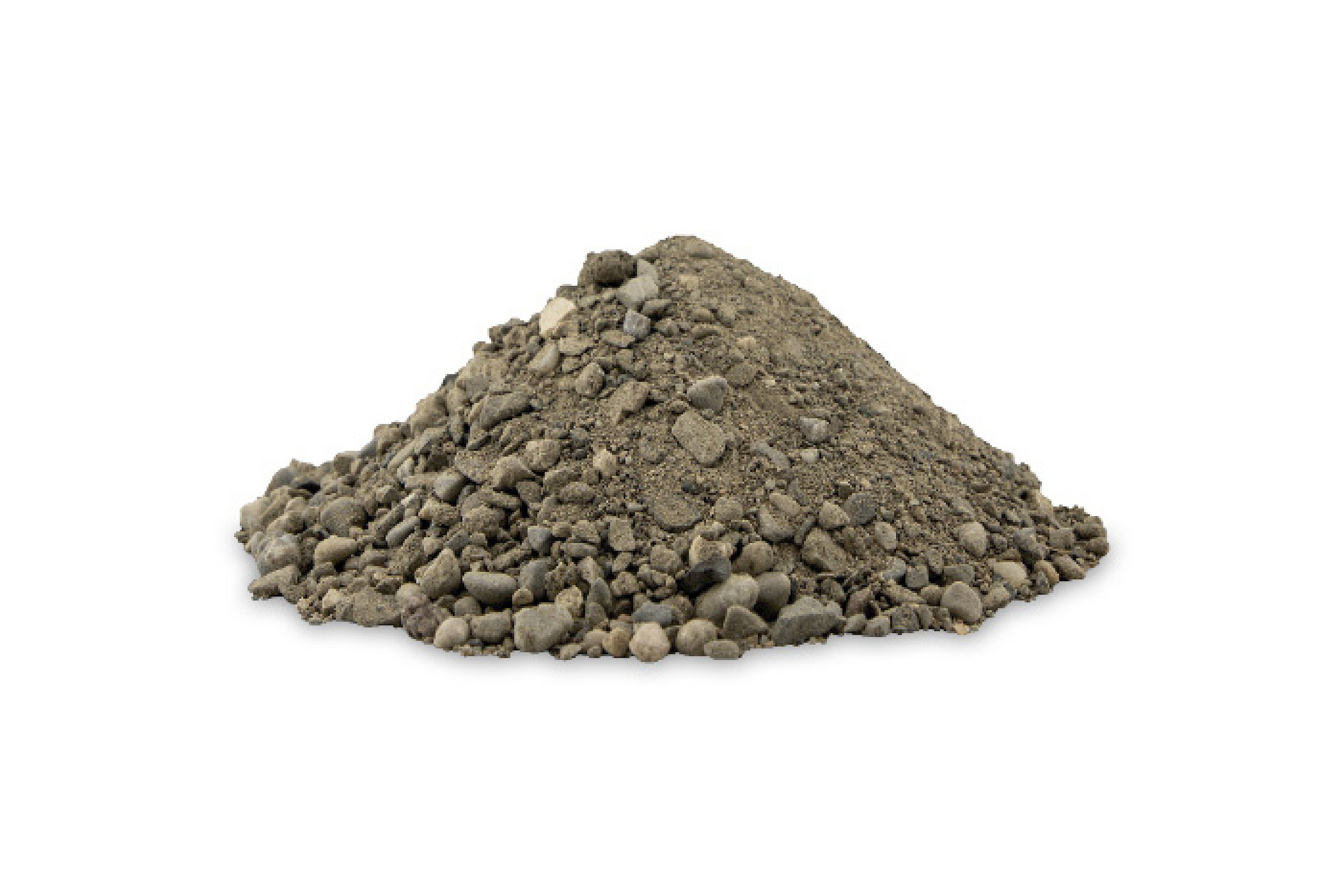
RW Sand 0/8 (Self-monitored)
Paving Sand (Concrete/Joint) | Bulk Material
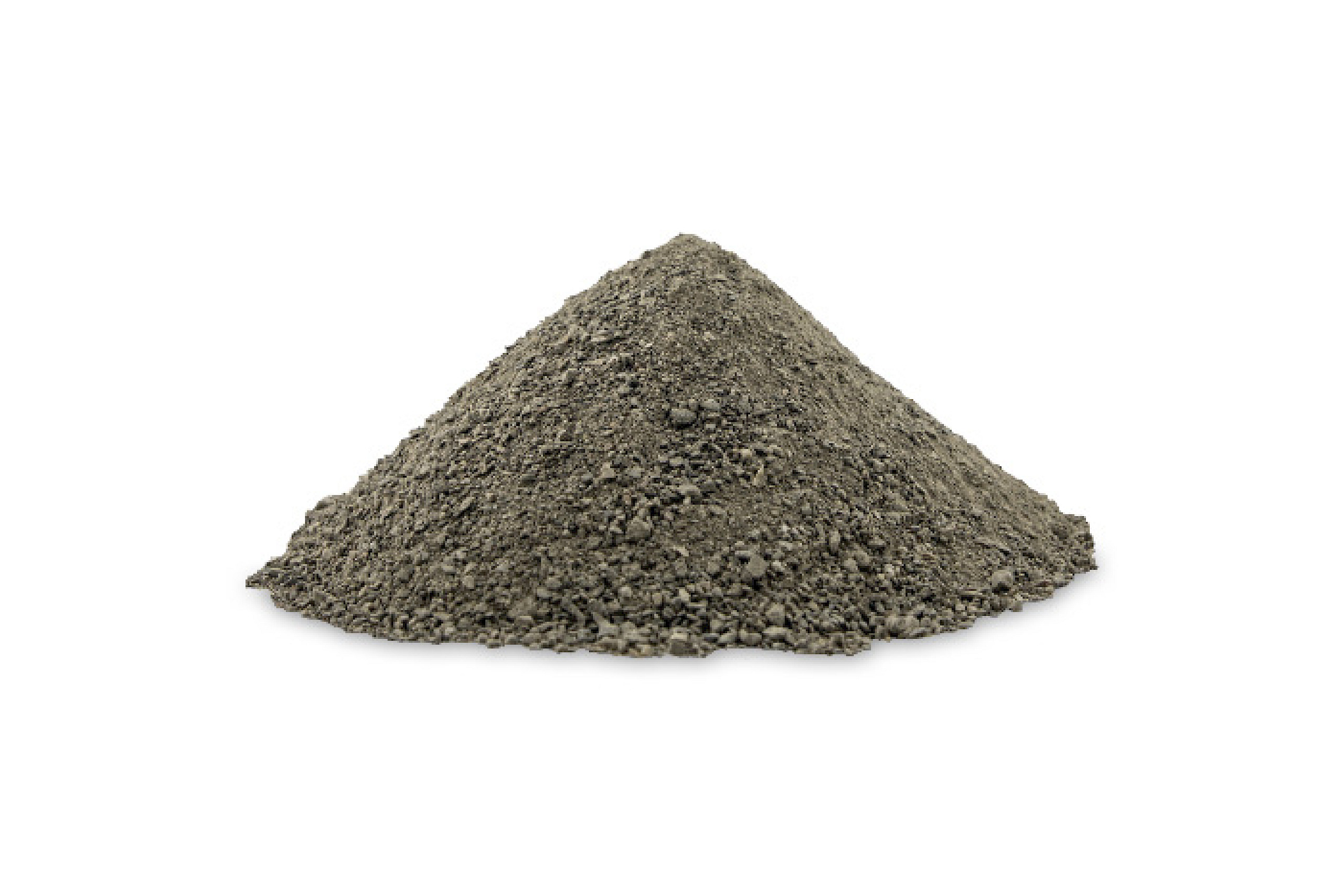
RW Crushed Sand 0/2 (Self-Monitored)
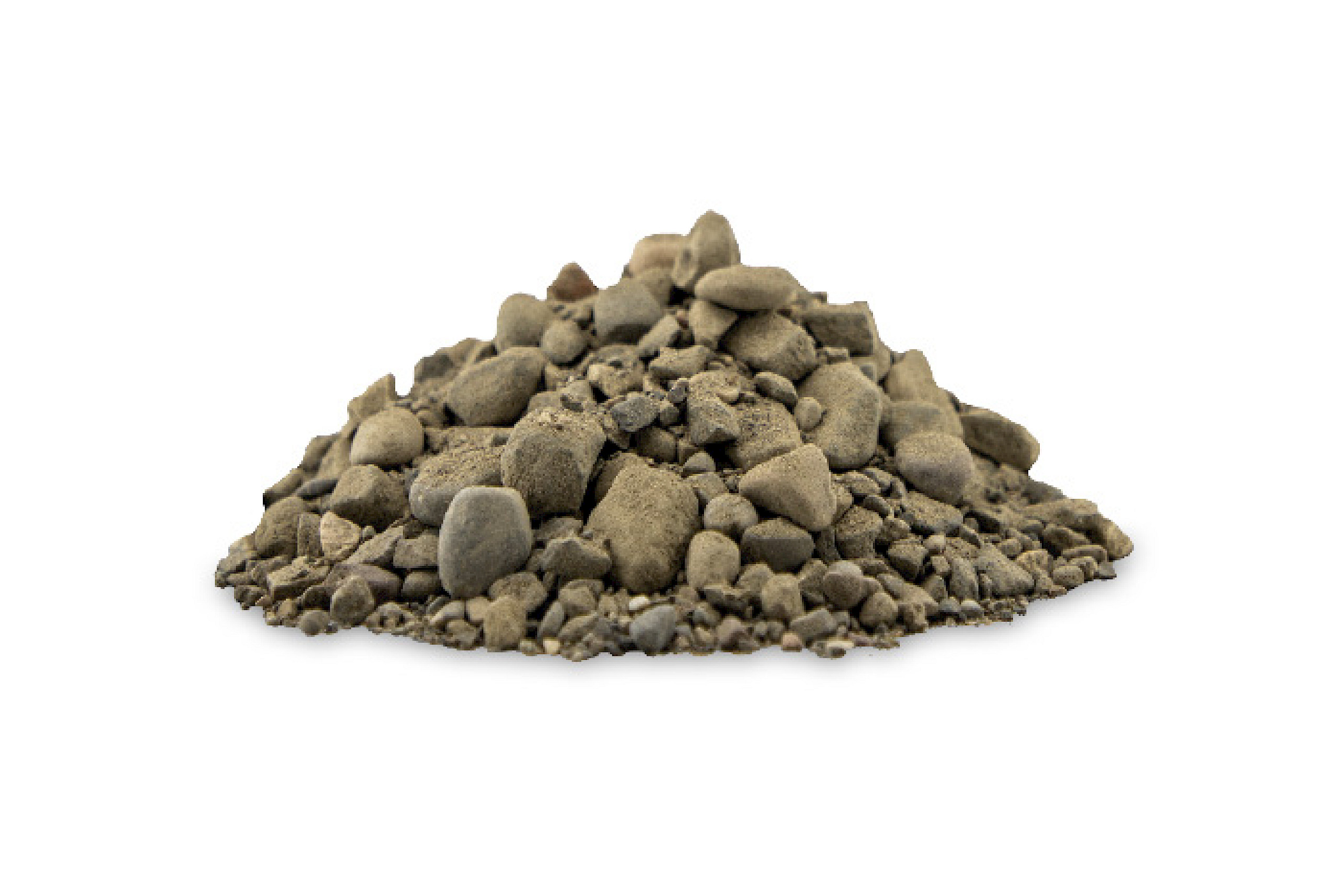
RW Gravel 0/16 (TL SoB-StB20)
Anti-freeze layer | Surface course (road construction) | Bulk material
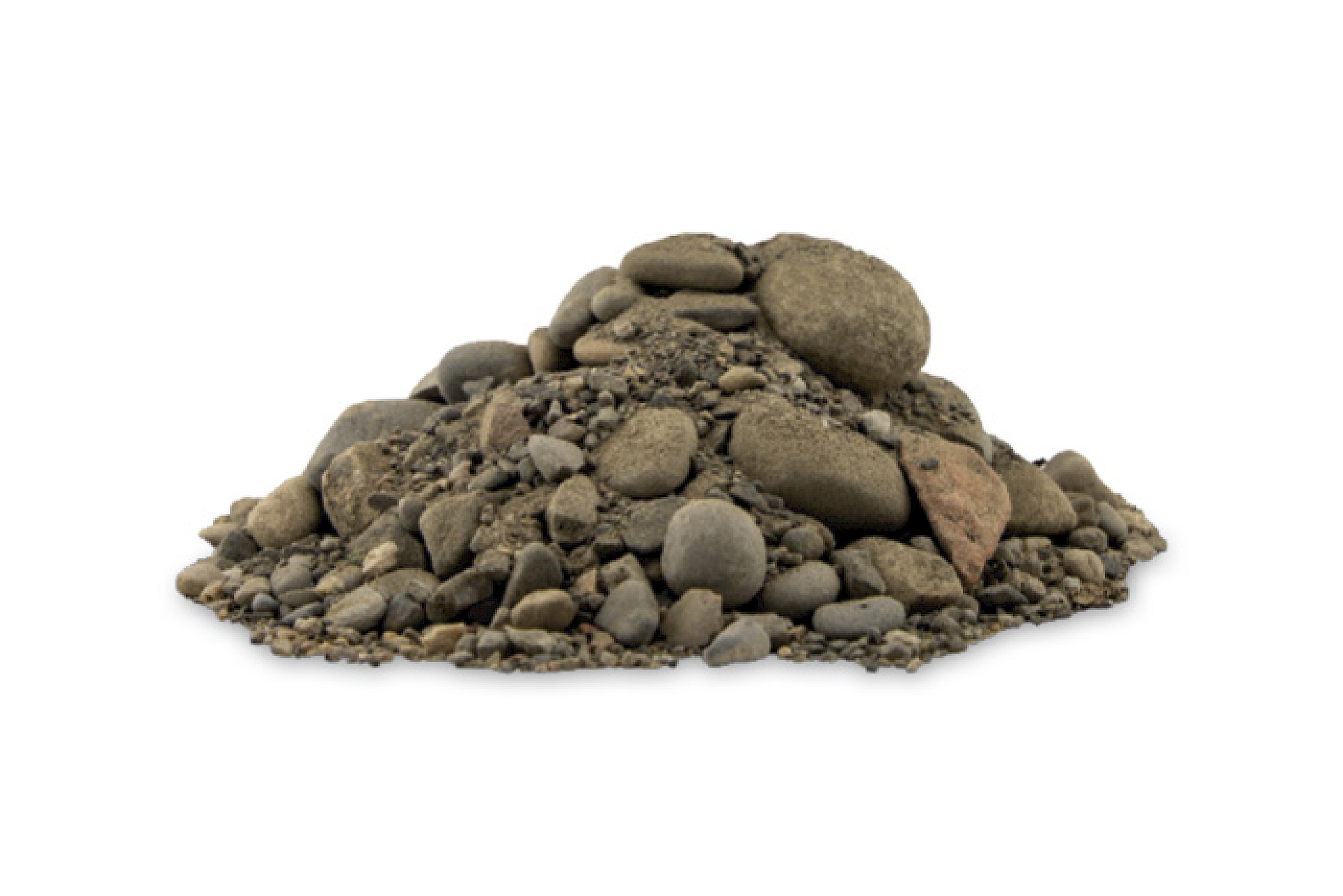
RW Gravel 0/32 (TL SoB-StB20)
Anti-freeze layer | Gravel base course | Loose material
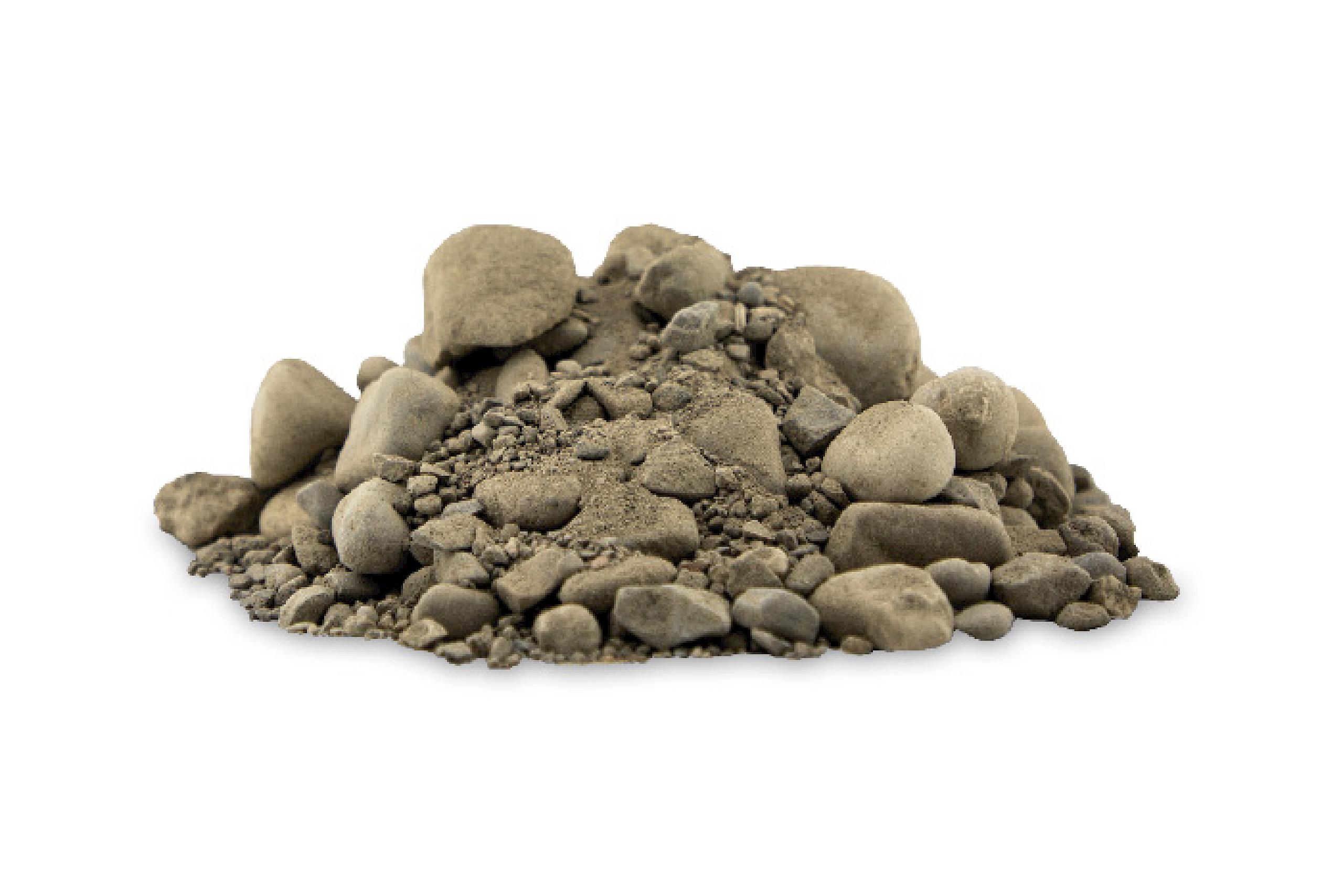
RW Gravel 0/45 (TL SoB-StB20)
Anti-freeze layer | Gravel base course | Loose material
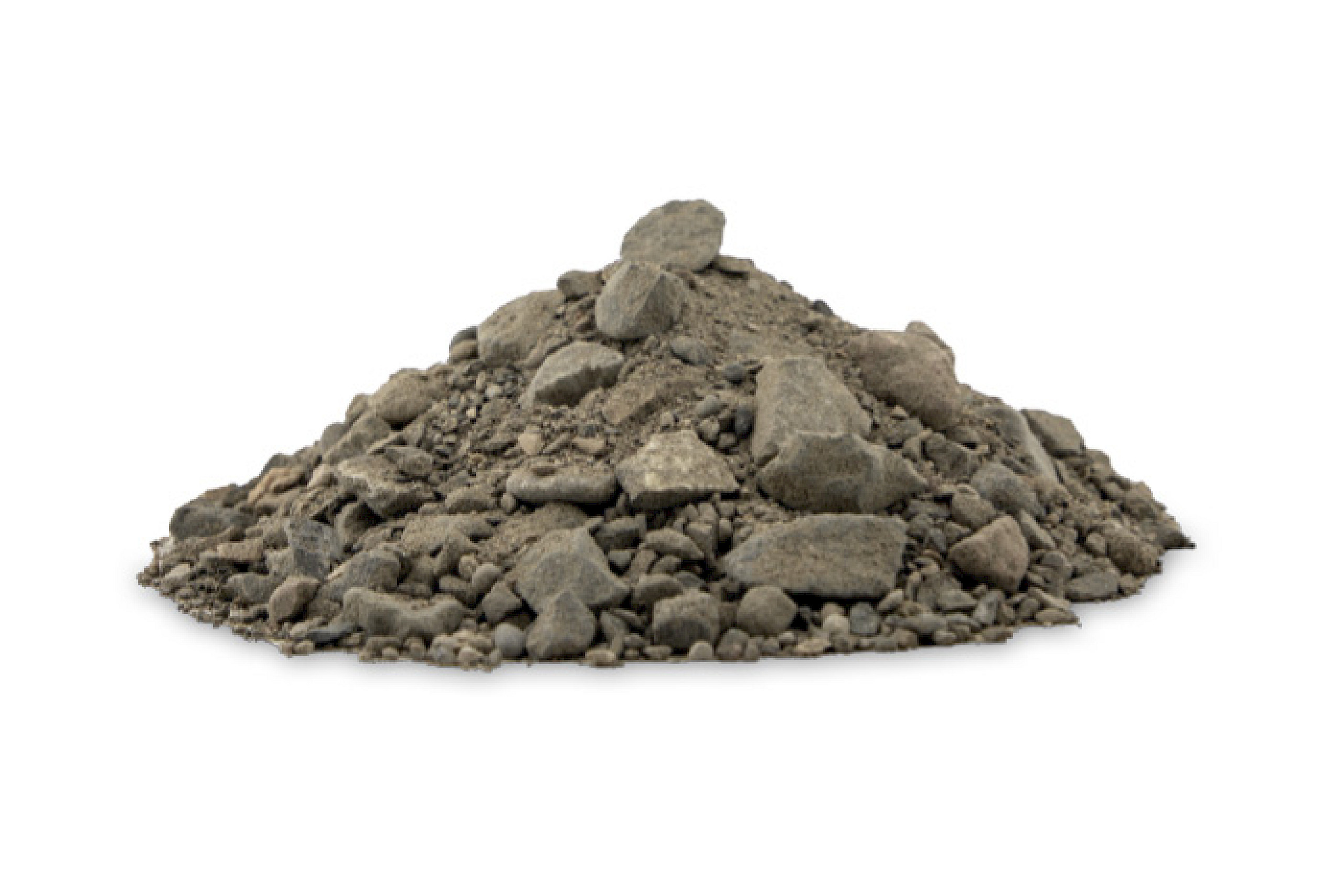
RW Hard Aggregate 0/16 (TL SoB-StB20)
Anti-freeze layer | Surface course (road construction) | Bulk material
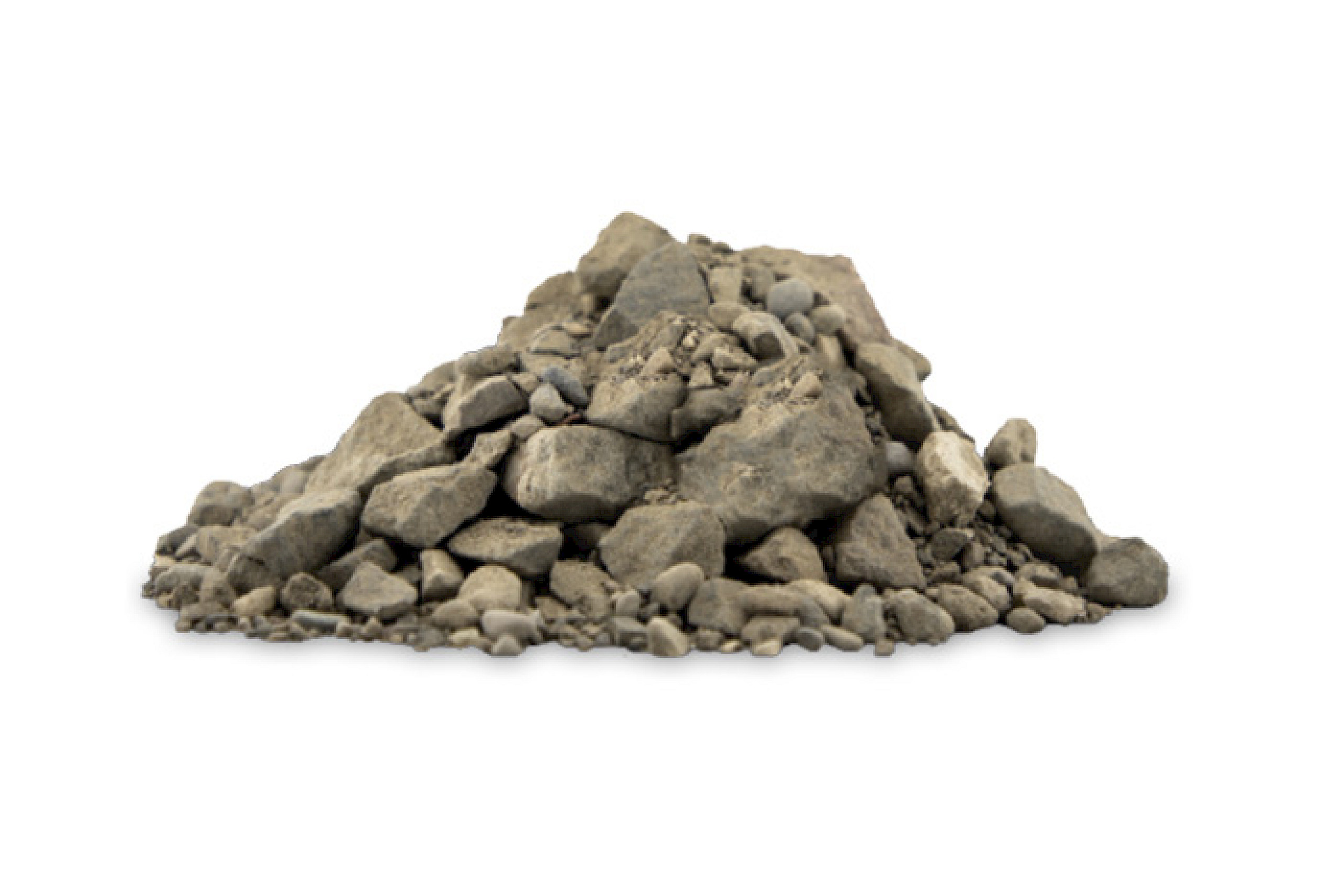
RW Hard Rock 0/32 (TL SoB-StB20)
Anti-freeze layer | Gravel base course | Loose material
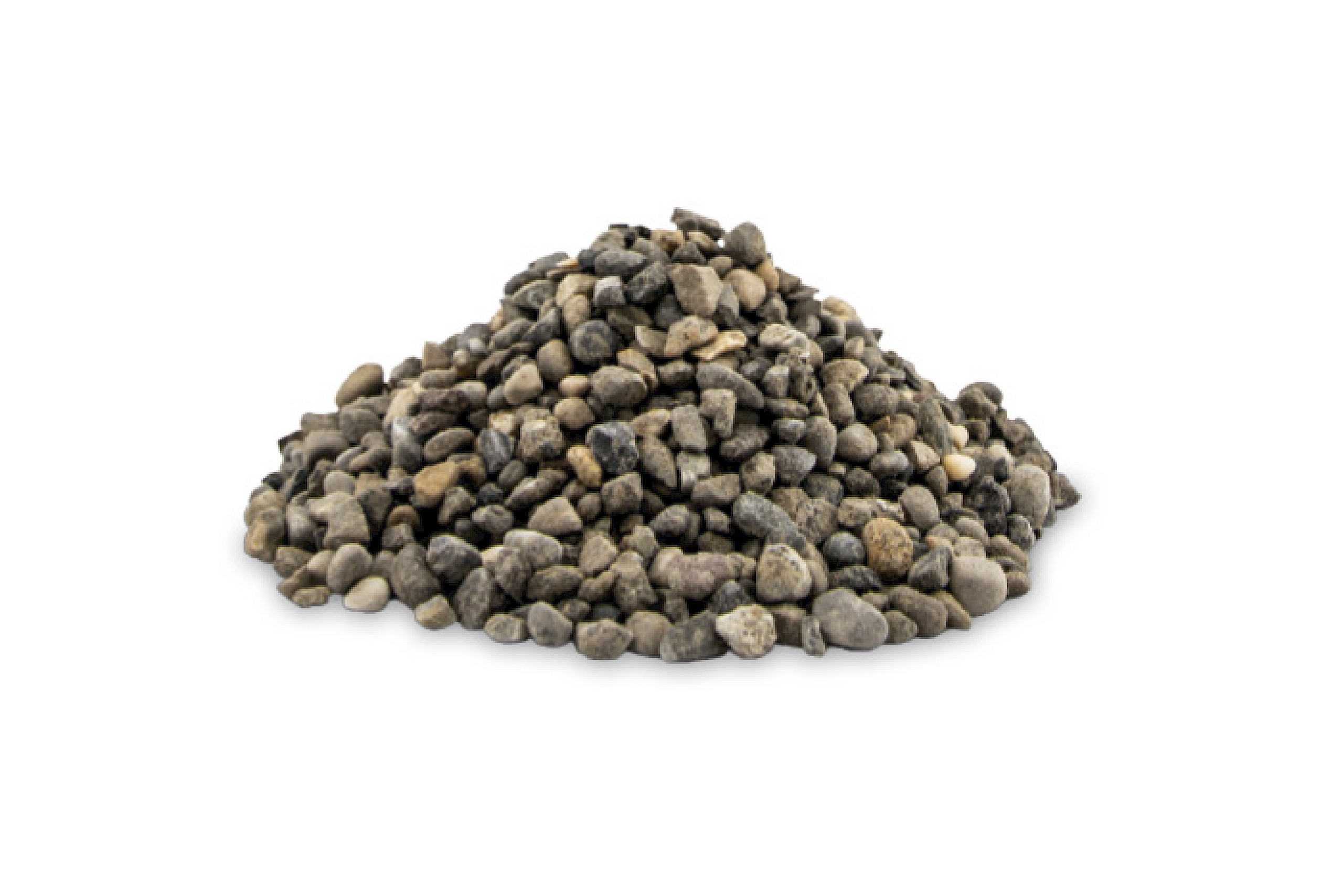
RW Gravel 4/8 (EN 12620)
Aggregate for Concrete
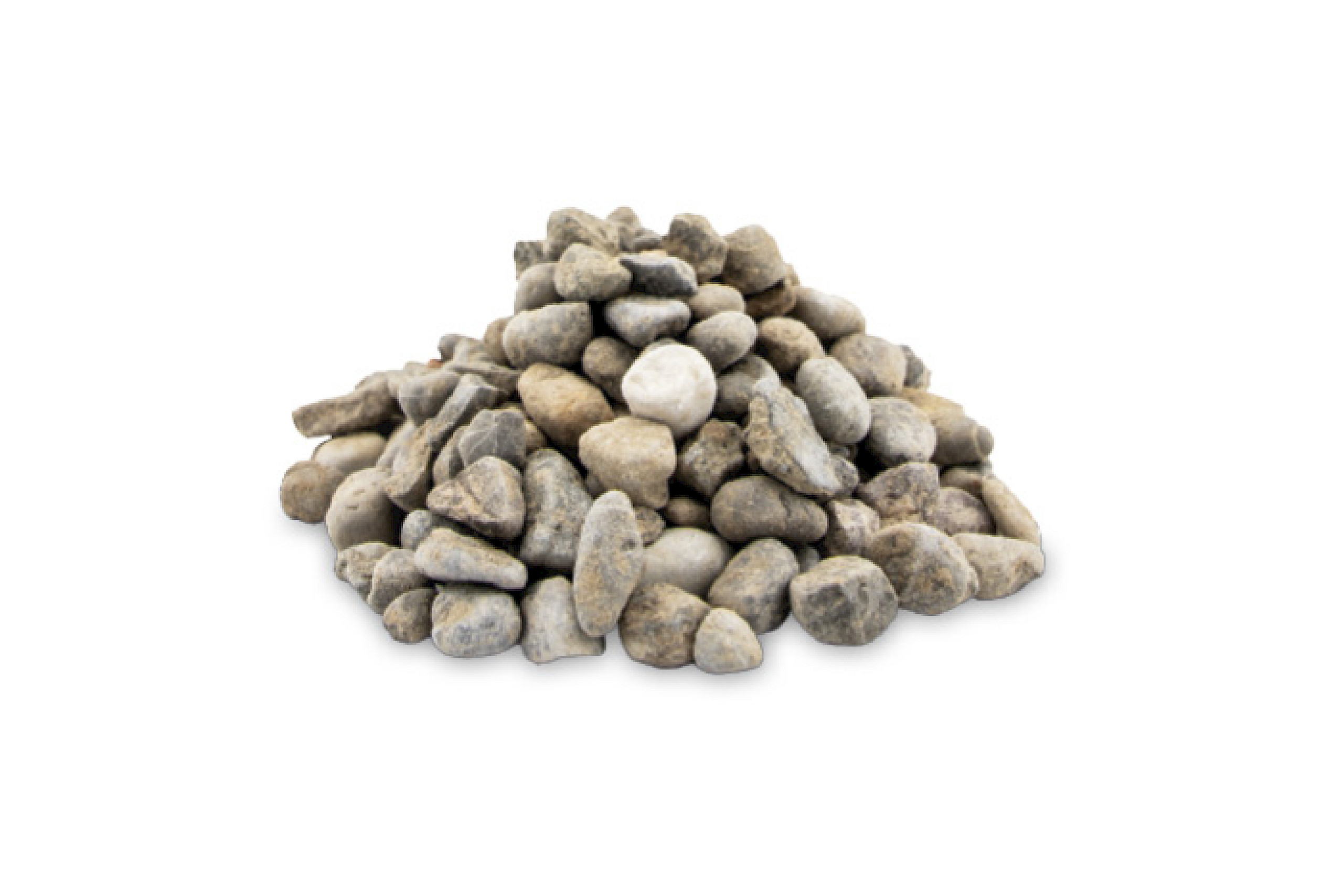
RW Gravel 8/16 (EN 12620)
Aggregate for Concrete
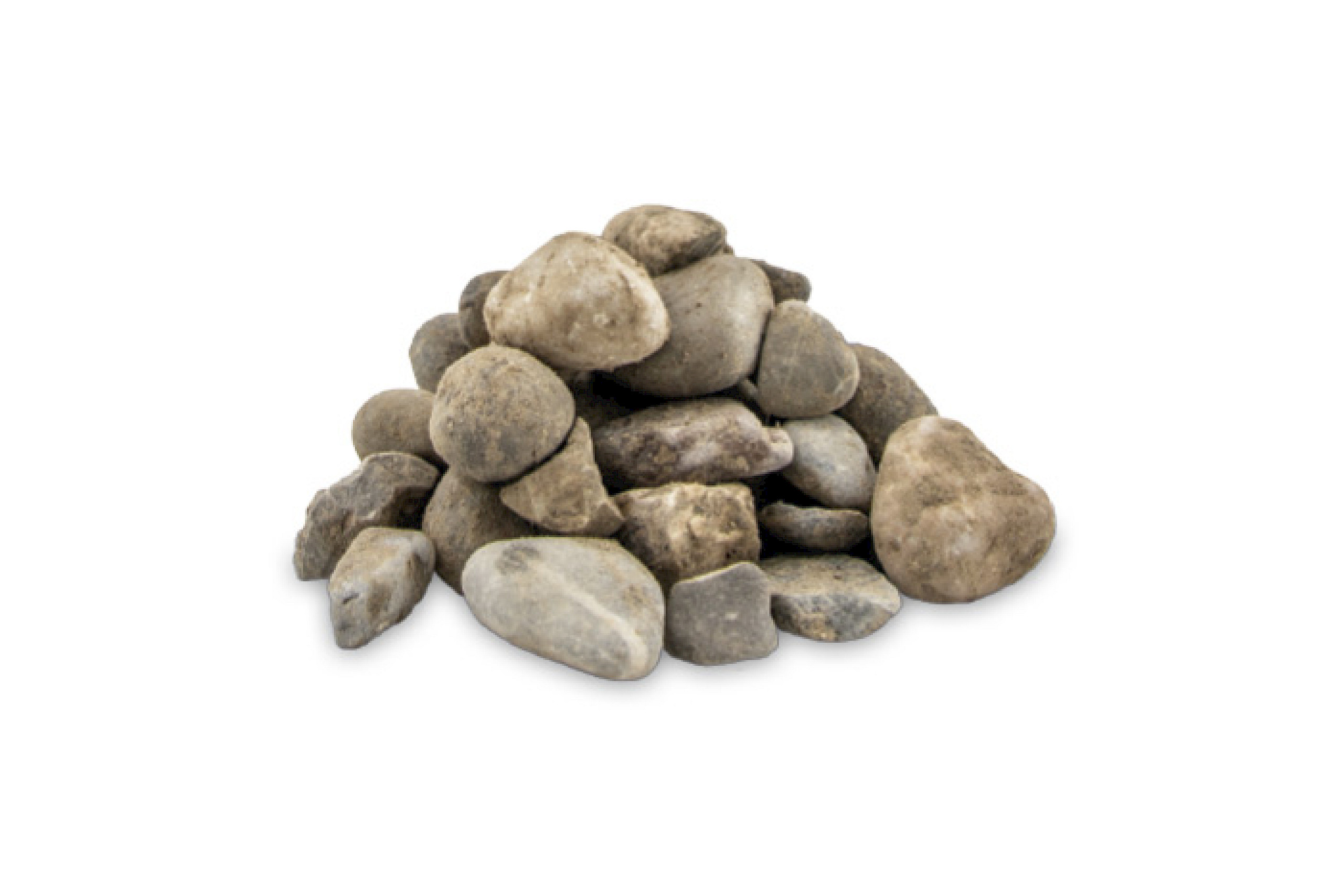
RW Gravel 16/32 (EN 12620)
Aggregate for Concrete
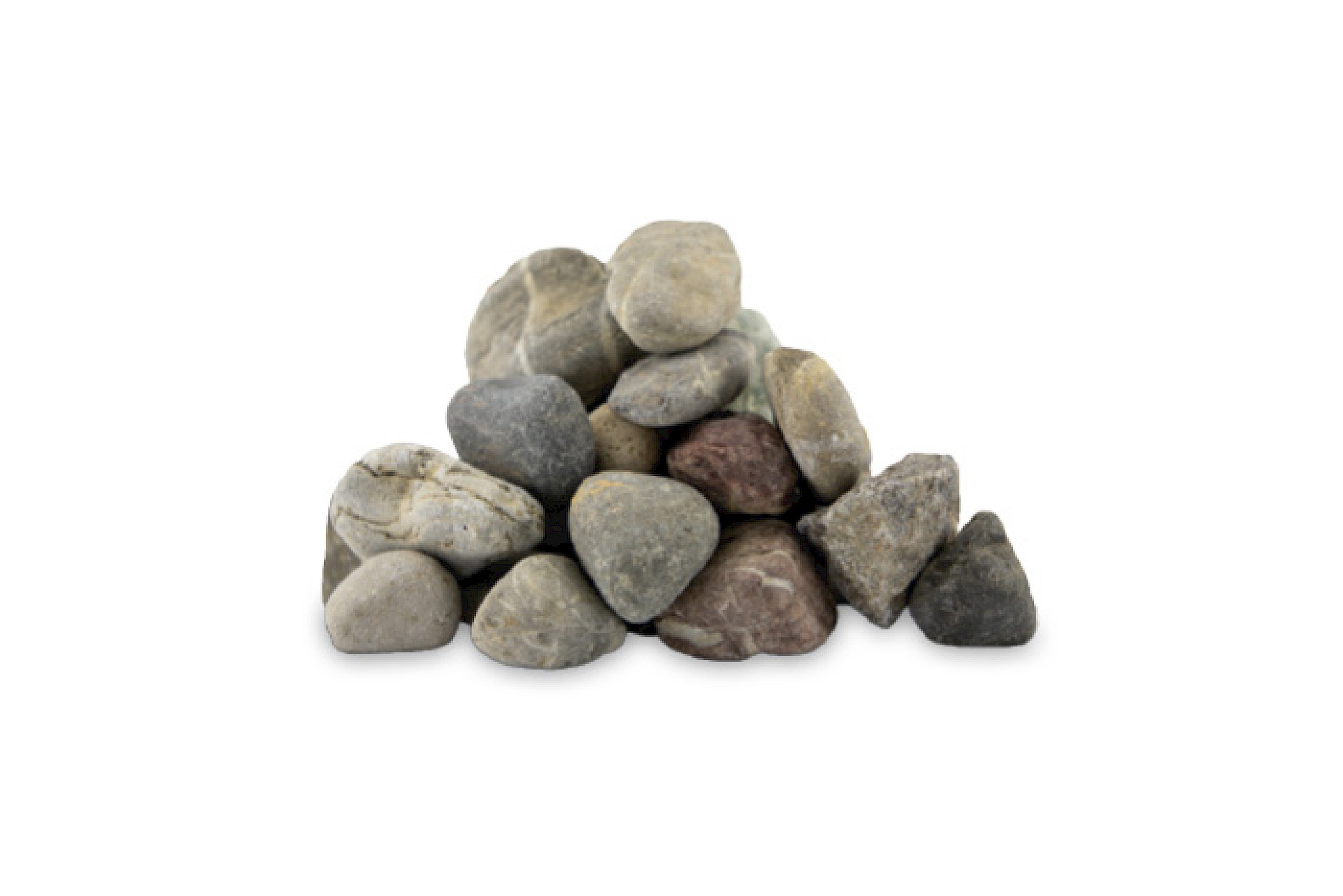
RW Gravel 32/63 (Self-monitored)
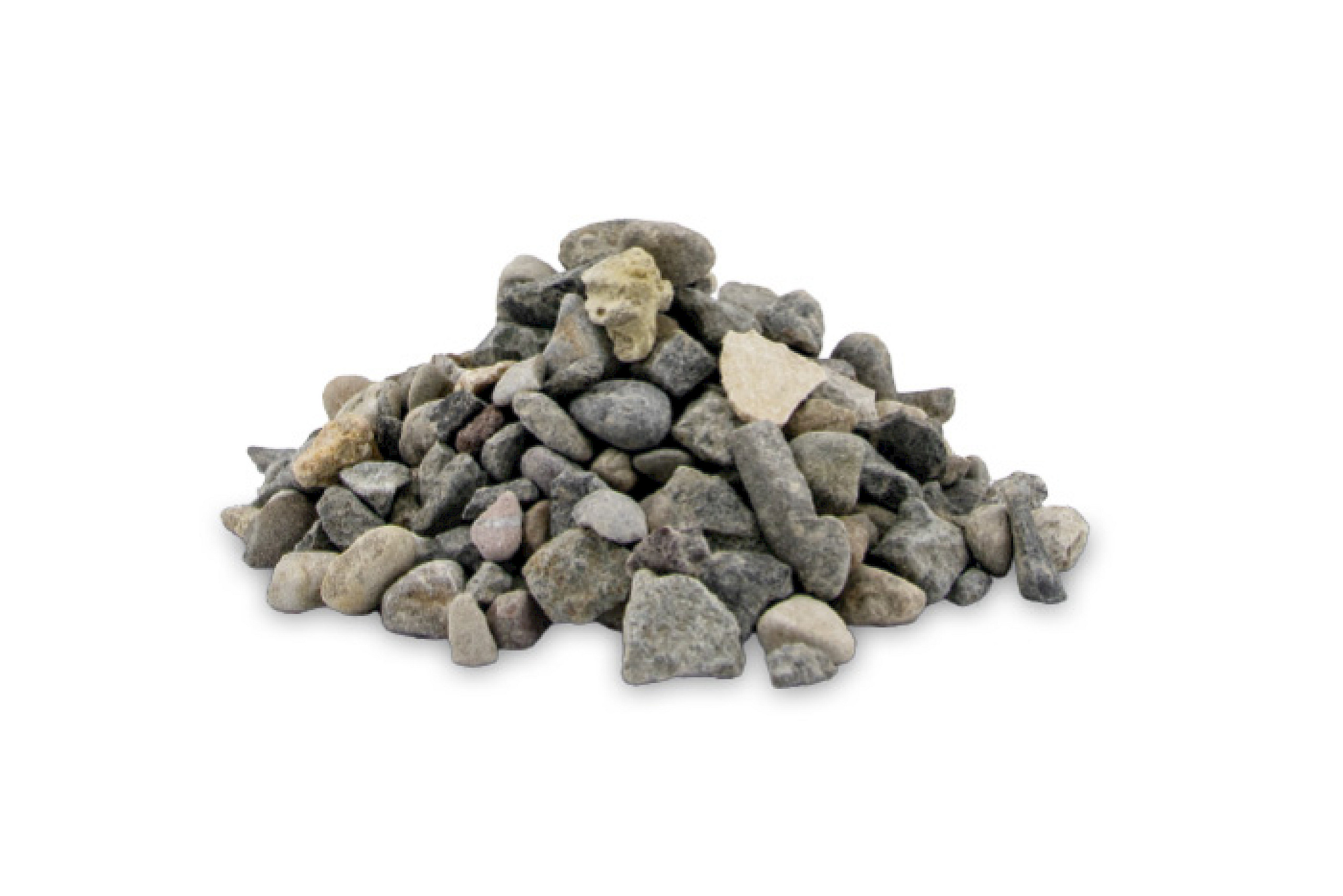
RW Hard Stone 8/16 (EN 12620)
Aggregate for Concrete
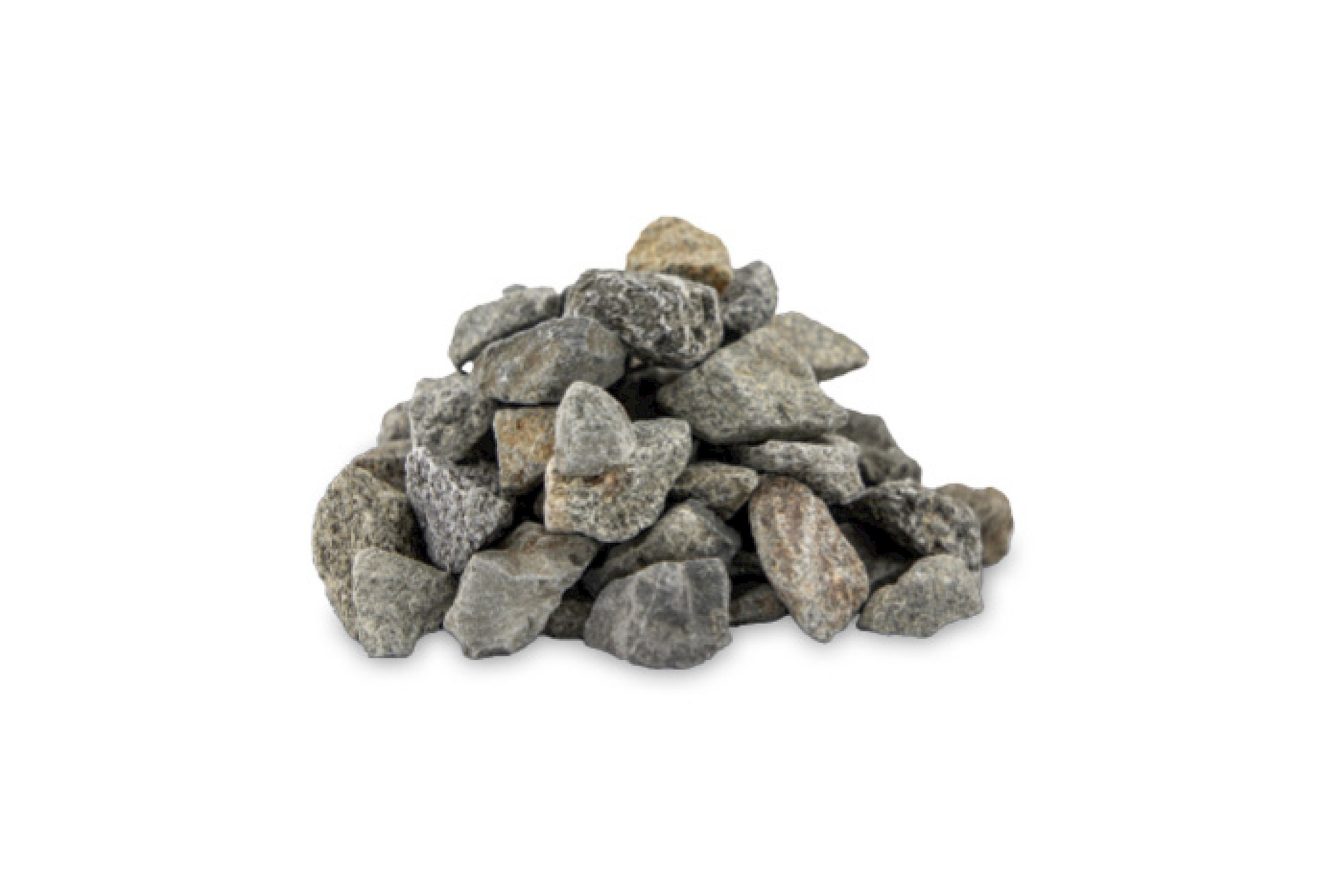
RW Hard Rock 16/32 (EN 13043)
Aggregate for Asphalt
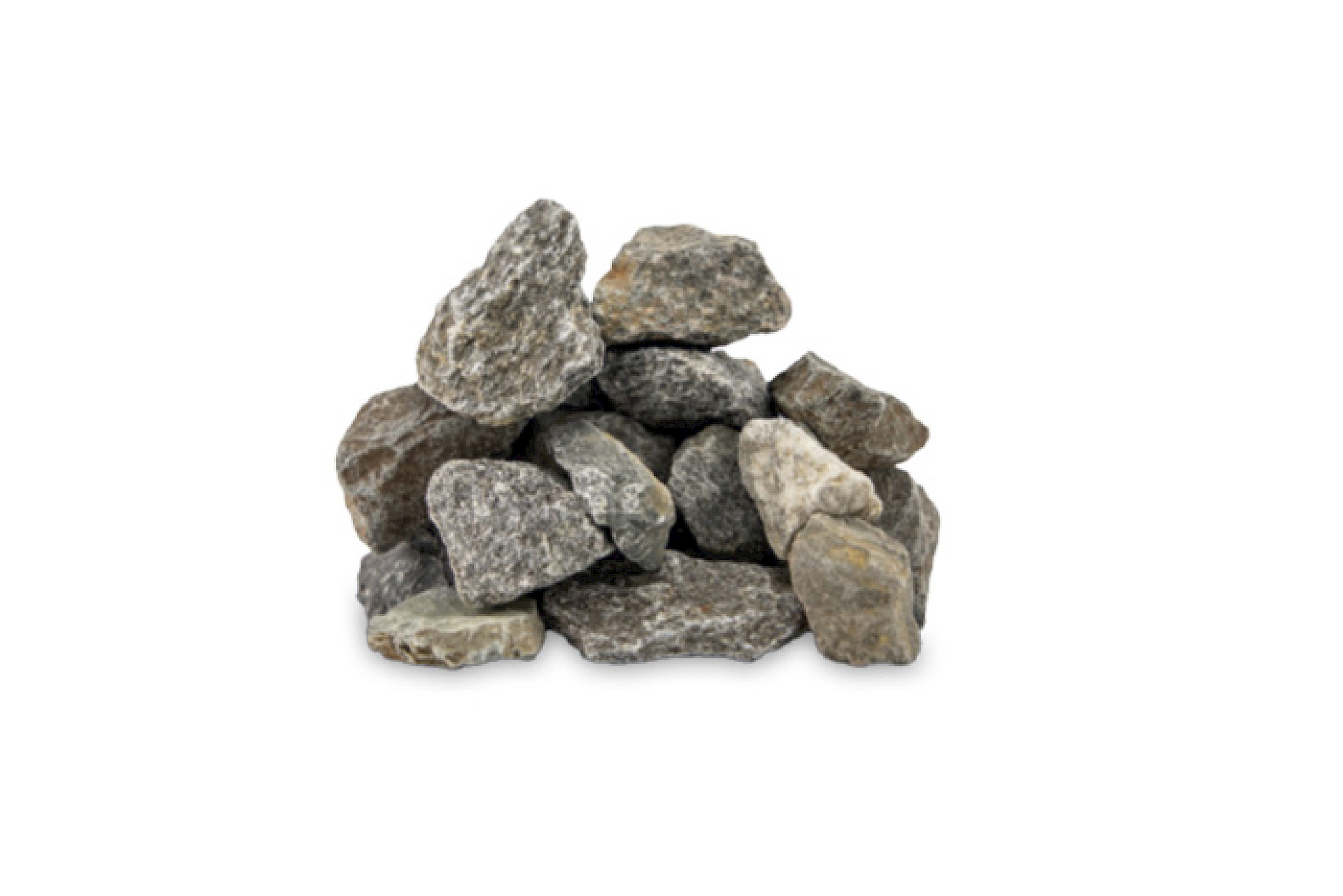
RW Hard Stone 32/63 (EN 13450)
Aggregate for Track Ballast

dry-processed materials
Circular building materials from dry mechanical processing
Mineral construction waste (concrete, bricks, road rubble, etc.) generated during renovation and demolition projects is largely stripped of contaminants and hazardous substances through modern techniques such as crushing, screening, sifting, and sorting. It can then be returned to the construction industry’s material cycle as quality-controlled and certified secondary building materials.
Examples of applications:
- Construction material mixtures for the production of binder-free layers in road construction in accordance with TL SoB-StB 20
An Overview of Dry-Processed Material
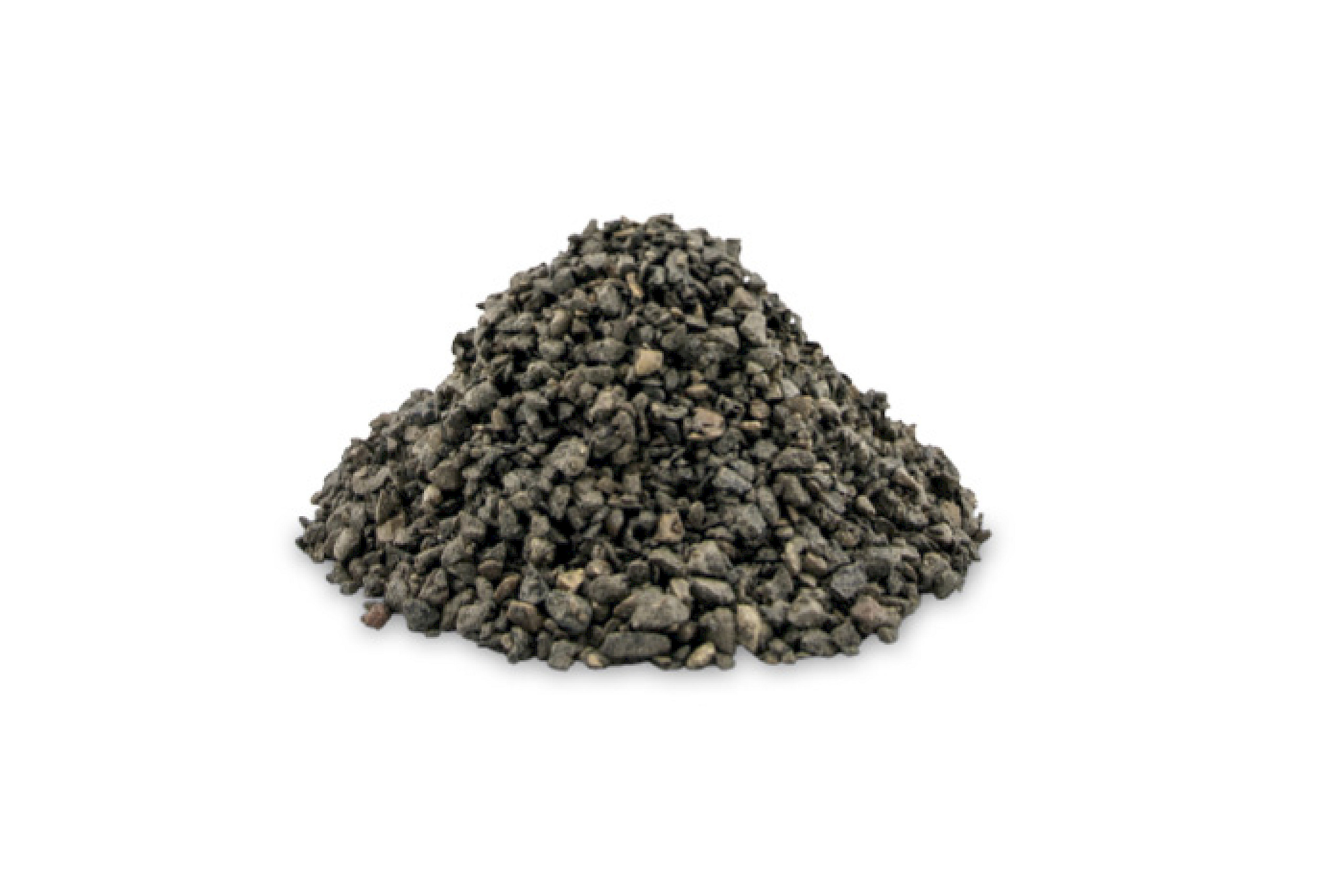
RW-Splitt 2/5 (Self-monitored)
Paving sand (base course/subbase)
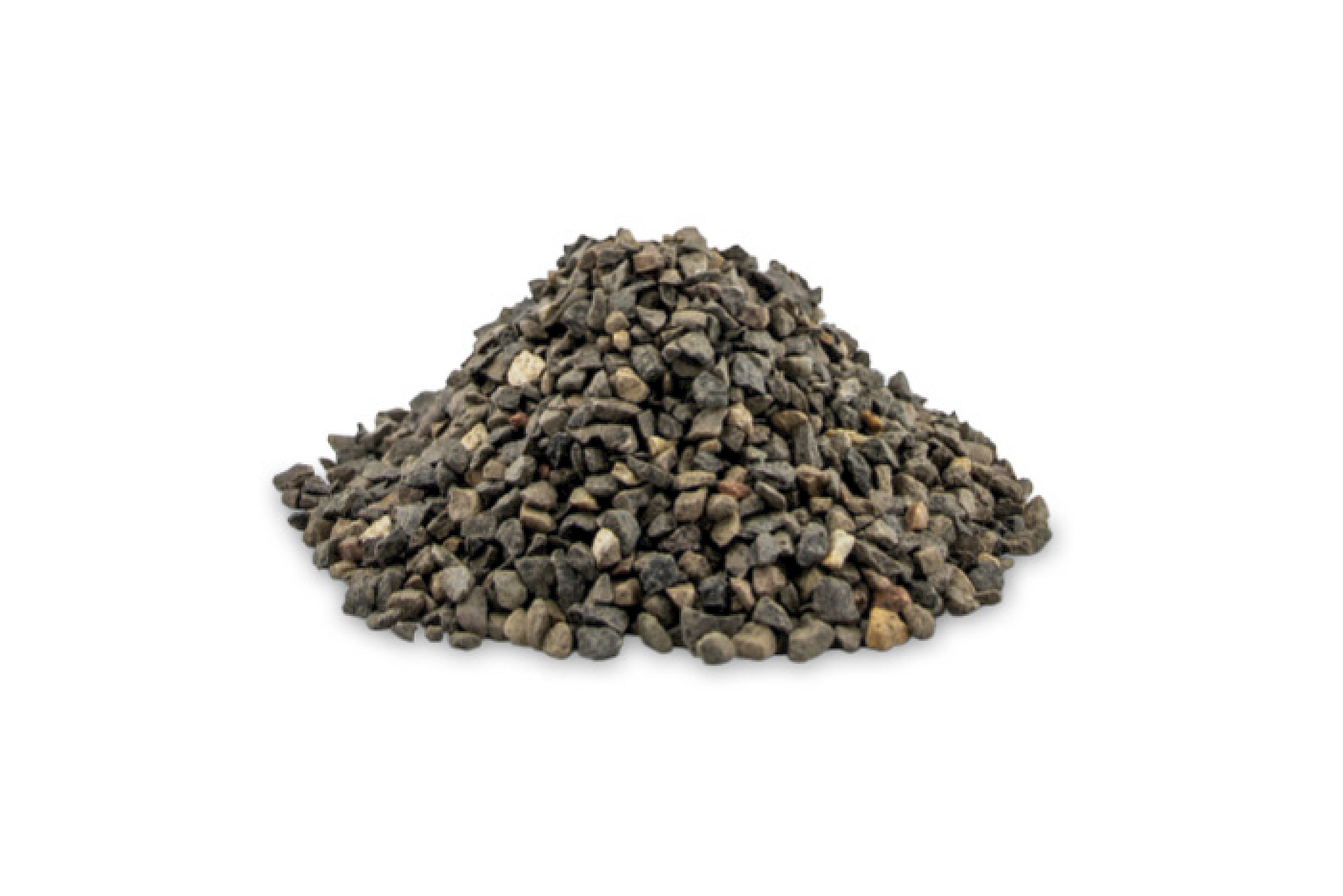
RW Crushed Stone 5/8 (Self-Monitored)
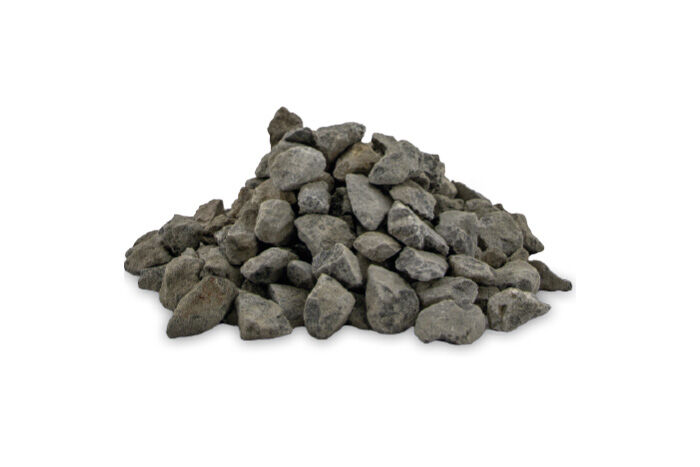
RW Gravel 8/16 (Self-Monitored)
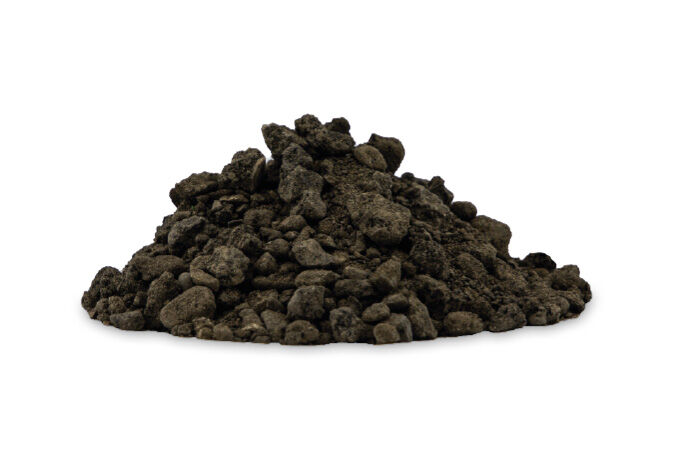
RC Asphalt 0/22 (based on QRB BaWü and QUBA By)
Surface Course (Road Construction)
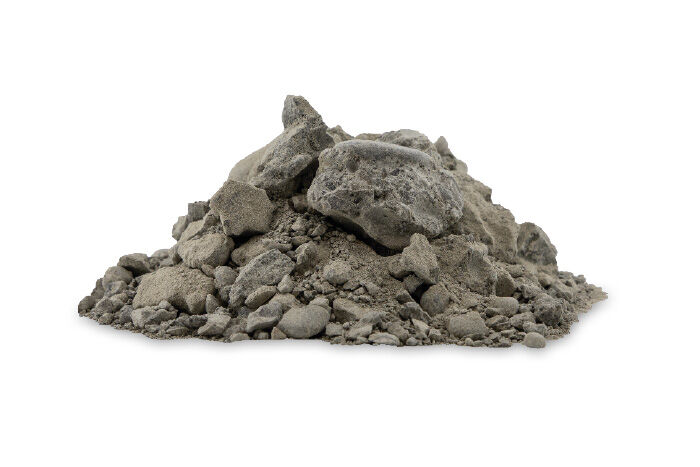
RC Concrete 0/45 (TL SoB-StB20 QRB BaWü QUBA By)
Anti-freeze layer | Gravel base course | Loose material
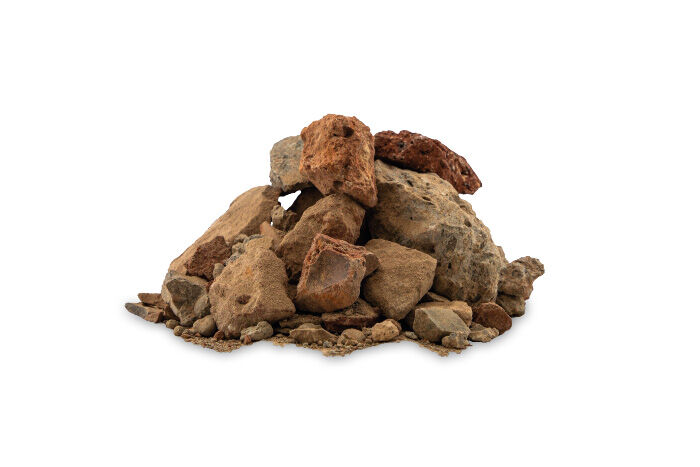
RC-Mix 0/63 (QRB BaWü QUBA By)
Bulk material